Bushfire attack levels (BAL) explained for Sydney homeowners
Short answer: A bushfire attack level (BAL) describes how much a building is at risk from embers, burning debris, heat and flames in a bushfire. There are six levels: BAL-LOW, BAL-12.5, BAL-19, BAL-29, BAL-40 and BAL-FZ. The higher the level, the more protection the building needs, and the stricter the construction requirements.
If you’re building or extending on bush fire prone land, your BAL shapes which materials and details you can use.
Why it matters in southern Sydney
The Sutherland Shire sits beside the Royal National Park, and plenty of homes across Georges River and Canterbury-Bankstown back onto bushland along the river and its creeks. Parts of these areas are mapped as bush fire prone land, so check your property before you plan work.
The six levels
The NSW Rural Fire Service describes the levels like this:
| Level | Description of risk |
|---|---|
| BAL-LOW | Lowest risk from a potential fire |
| BAL-12.5 | Risk is mainly from embers during a fire |
| BAL-19 | Moderate risk, particularly from embers and burning debris |
| BAL-29 | High risk, particularly from embers, debris and heat |
| BAL-40 | Very high risk. Likely to be affected by embers, debris, heat and possibly flames |
| BAL-FZ | Extreme risk. Directly exposed to the flames of a fire front |
How your BAL is worked out
According to the RFS, your BAL depends on:
- the area you live in
- the vegetation near your home
- the distance from that vegetation to your home
- the slope of the land
Your BAL is confirmed in a written report, usually by a bushfire consultant or through the NSW RFS, as part of the approval for new work. The RFS also has a free household assessment tool that gives you an idea of your risk.
What changes for common jobs
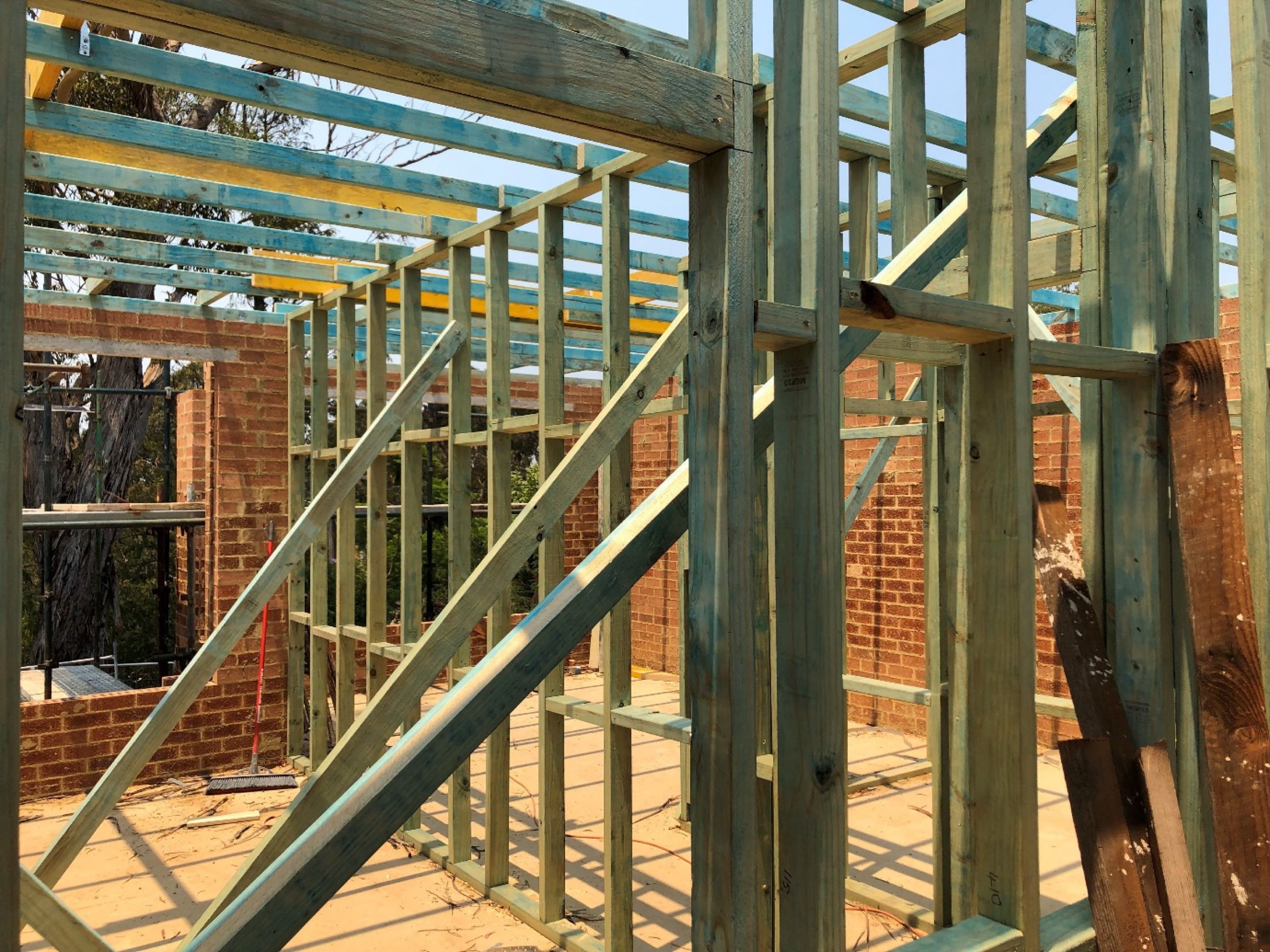
Extensions and new builds. Construction requirements for each BAL are set by Australian Standard AS 3959. They cover things like cladding, windows, decking and subfloors, and come through the approval for the work.
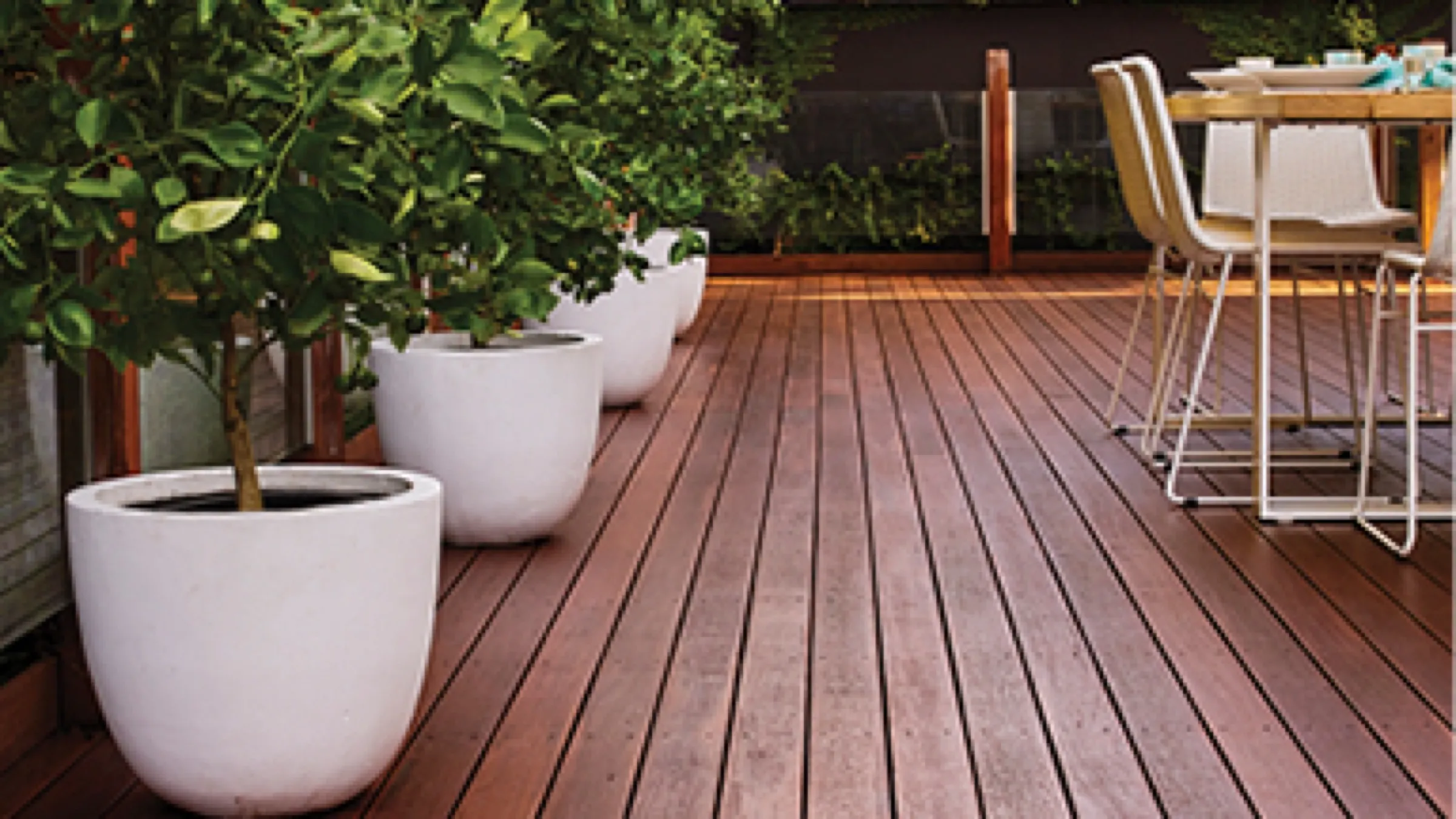
Decks, pergolas and carports built without approval. Under the NSW exempt development rules, if the property is on bush fire prone land, walls of a deck, pergola or patio within 5 m of the house must be non-combustible. A carport within 5 m of the house must be built from non-combustible materials. See our guides to deck and pergola approvals and carport approvals.
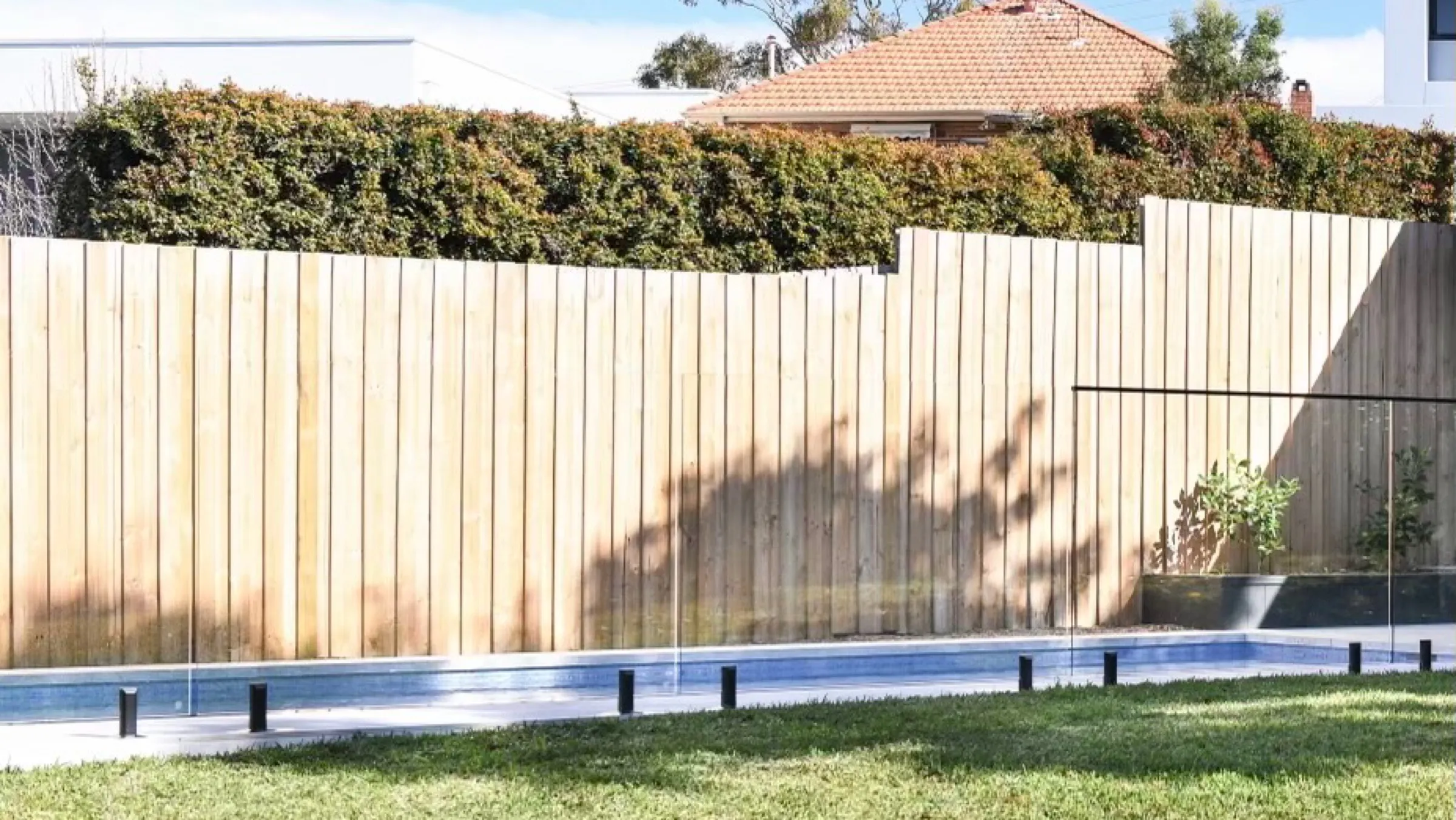
Fences. Exempt fences on bush fire prone land must be non-combustible or hardwood. See fence height rules.
Garden sheds, cabanas and cubbies. Exempt structures on bush fire prone land must be built from non-combustible materials.
Choosing decking and cladding
The right decking and cladding depend on your BAL. Many products are tested and rated for particular levels. Check each product against AS 3959 for your level before you buy. We confirm a product’s rating before we order it.
How we handle it
Before we quote work on bush fire prone land, we ask for your BAL report or check whether one is needed, then choose materials and details to suit.
This guide was checked against NSW Rural Fire Service and NSW Planning sources in September 2026. It’s general information, not a BAL assessment.
Quick answers
What are the bushfire attack levels?
There are six, from lowest to highest risk. They are BAL-LOW, BAL-12.5, BAL-19, BAL-29, BAL-40 and BAL-FZ (flame zone).
What decides my property's BAL?
The area you live in, the vegetation near your home, the distance from that vegetation to your home, and the slope of the land.
How do I find out if my property is on bush fire prone land?
Councils map bush fire prone land. Check with your council or the NSW Planning Portal. The NSW RFS also has an online household assessment tool.
Does bush fire prone land affect decks and fences?
Yes. Under the NSW exempt development rules, fences on bush fire prone land must be non-combustible or hardwood, and walls of decks, pergolas and patios within 5 m of the house must be non-combustible.
Sources
- Your level of risk (NSW Rural Fire Service)
- Bush Fire Household Assessment Tool (NSW Rural Fire Service)
- Balconies, decks, patios, pergolas, terraces and verandahs – Rules for exempt development (NSW Department of Planning)
General information only, not legal or planning advice. Always check the current rules for your property with your council, a certifier or the relevant NSW Government agency.